The Camargue isn’t all grey marshes and whispering reeds. Step closer to Aigues-Mortes, and you’ll find a landscape that looks like it’s been painted by hand - vast basins glowing in shades of coral, rose, and tangerine, bordered by blinding white salt mounds. This isn’t a mirage. It’s the work of tiny algae thriving in extreme salinity, turning seawater into living art. These salt marshes are not just scenic wonders; they’re working landscapes where tradition, ecology, and light collide. Let’s explore what makes them so special.
The Secret Life of the Pink Salt Marshes
A Unique Biological Phenomenon
That surreal pink hue? It starts withDunaliella salina, a microscopic algae that thrives in high-salt environments. As the water evaporates under the Mediterranean sun, salt concentration rises - and so does the production of a red pigment in the algae. This is what gives the ponds their signature blush. The color intensifies from spring through summer, peaking when evaporation is strongest. Even more fascinating: this pigment travels up the food chain. Flamingos feed on brine shrimp that consume the algae, which is why their feathers turn pink. For those wishing to explore these saline landscapes over several days, staying at a comfortable campsite near Aigues-Mortes provides the perfect base for your excursions.
Sea Salt Production: A Secular Tradition
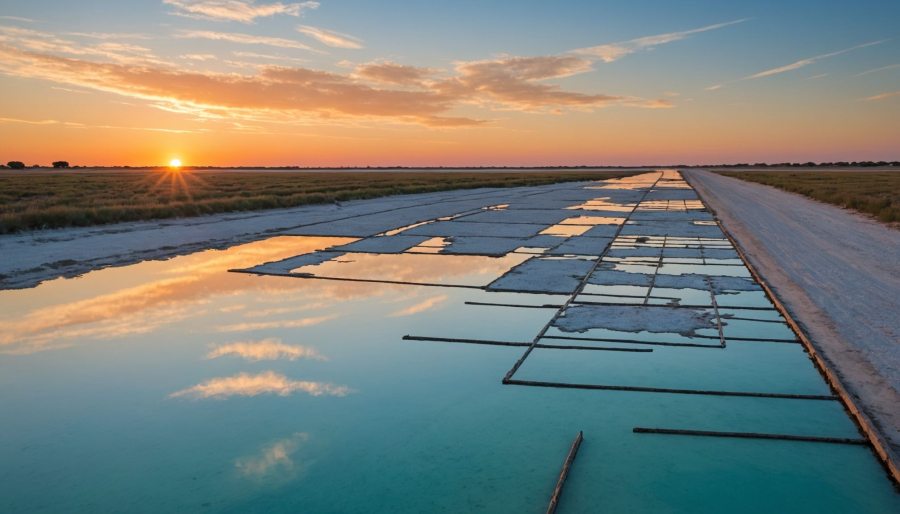
The salt pans aren’t just natural curiosities - they’re active production sites with roots stretching back centuries. Every year, seawater is channeled into shallow basins where sun and wind do the rest. Master salt makers, or sauniers, carefully manage the flow, depth, and crystallization process across a network of pools. The harvest typically begins in late summer, once enough salt has formed. Workers use traditional wooden tools to gather the crystals, preserving methods passed down through generations. This sea salt is prized for its purity and mineral content, used both in regional cuisine and beyond. It’s a slow, seasonal rhythm dictated by weather and nature - far from industrial-scale extraction.
Protecting a Fragile Ecosystem
Beneath the surface beauty lies a delicate balance. The saltworks form part of the Camargue Regional Natural Park, a protected zone recognized for its biodiversity. Over 400 bird species have been recorded here, including avocets, stilts, herons, and of course, flamingos. The alternating flooded and dry phases create ideal feeding and nesting grounds. Conservation efforts ensure that salt production doesn’t come at the expense of wildlife. Buffer zones, restricted access areas, and seasonal adjustments help maintain this equilibrium. It’s a rare example of humans and nature coexisting productively - one where economic activity supports, rather than threatens, ecological health.
Comparison of Visiting Options for the Saltworks
Guided Experiences for Every Traveler
Access to the salt pans is managed to protect the environment, meaning not all areas are open for casual exploration. Organized tours offer the best way to experience the site responsibly while learning from local guides. Here’s how the main options stack up:
| Tour Type | Duration | Target Audience | Main Benefit |
|---|---|---|---|
| Small Train | 45-60 min | Families, elderly visitors | Easy access, commentary included, shaded seating |
| Guided Bike Tour | 2-3 hours | Active travelers, photographers | Flexible stops, quiet approach ideal for birdwatching |
| 4x4 Safari | 1.5-2 hours | Adventure seekers, small groups | Reaches remote basins with dramatic color contrasts |
| Freedom Walk | Self-guided, 1-2 hours | Independent explorers | Free schedule, but limited to marked peripheral paths |
Each option offers a different perspective. The train is ideal for first-time visitors wanting comfort and context. Biking lets you move quietly through the landscape, increasing chances of spotting wildlife. 4x4 safaris go deeper into the production zones, often at golden hour for maximum visual impact. Self-guided walks are possible but restricted - always check signage and respect closures.
Capturing the Essence of Aigues-Mortes Salt Pans
The Best Spots for Photographers
If you’re chasing that postcard shot, start from the medieval ramparts of Aigues-Mortes. Looking east, you’ll see an endless mosaic of pink and white stretching to the horizon. The contrast between the ancient stone walls and the alien-like waters creates a powerful visual tension. Up close, focus on textures: the cracked crust of dried salt, the mirror-like surface of flooded basins reflecting the sky, or the conical piles of harvested salt known locally as camelles. Early morning light enhances the pink tones, while late afternoon brings long shadows and warm glows. A polarizing filter helps reduce glare and deepen colors in your shots.
When to Visit for Maximum Impact
Timing is everything. Spring brings flooding, creating expansive mirrors that reflect clouds and birds in motion. By late summer, evaporation concentrates the pigments, making the pink hues most vivid. This is also when harvesting begins, adding human activity to the scene. Rain can temporarily dilute the color, so aim for a stretch of dry, sunny days. Wind affects reflections - calm mornings are best for mirror effects. And while the site operates year-round, peak visual drama runs from June to September. That said, winter visits offer quieter paths and migratory birds, appealing to birdwatchers and solitude seekers.
Practical Essentials for Your Visit
Booking and Logistics
The saltworks may look accessible, but preparation matters. Sun exposure is intense, shade is minimal, and surfaces can be slippery or uneven. To make the most of your visit, consider these essentials:
- Pre-book tickets online to avoid long queues, especially in high season
- Wear high-SPF sunscreen, a wide-brimmed hat, and UV-protective clothing
- Bring binoculars - many birds stay at a distance, and viewing platforms help
- Choose closed, non-slip footwear suitable for salty, damp paths
- Check opening hours in advance, as they vary significantly between seasons
Most guided tours include entry, but independent access is limited. Parking is available near visitor centers, though spaces fill quickly on weekends. Some tours include shuttle services, so verify logistics when booking. Drinking water and restrooms are available at main departure points, but facilities within the salt pans themselves are sparse.
Cultural Heritage: The Salt and the City
The Medieval Connection
Aigues-Mortes wasn’t just built near the salt marshes - it was built because of them. In the 13th century, King Louis IX chose this spot as a strategic port and gateway to the Holy Land. But salt soon became its economic lifeline. Known as “white gold,” it funded the city’s fortifications and trade networks. The massive ramparts you see today were partly financed by salt revenues. Even the name hints at its past: “Aigues-Mortes” means “dead waters,” referring to the stagnant lagoons ideal for evaporation. Today, the proximity remains striking - you can walk from the historic gates directly into the salt-producing landscape.
Fleur de Sel: The Culinary Treasure
Among the salts harvested here, fleur de sel stands out. This delicate, flaky crystal forms naturally on the water’s surface under specific conditions - low wind, steady sun, and precise salinity. Skilled workers skim it by hand using fine rakes, collecting only a thin layer each day. Because it’s labor-intensive and yield is low, it’s considered a premium product. In Camargue cuisine, fleur de sel is used as a finishing salt, enhancing dishes without overpowering them. It carries subtle mineral notes shaped by the local environment. You can buy it directly from producers or at markets in Aigues-Mortes - a tangible taste of this unique landscape.
The Major Questions
Is the water always pink throughout the year?
No, the intensity of the pink color varies with the season and salt concentration. It’s most vivid during late summer when evaporation peaks. In cooler months or after rainfall, the water may appear pale or even clear due to lower salinity and reduced algal activity.
What technical equipment is needed for the 4x4 tours compared to the train?
For 4x4 tours, no personal equipment is required - vehicles are adapted and driven by professionals. The train is fully accessible and includes seating and shelter. Both are designed for comfort, though 4x4 tours may involve minor bumps on unpaved tracks.
How does Aigues-Mortes salt compare to Guérande salt in terms of production?
Aigues-Mortes relies primarily on sun-driven evaporation in a hot, dry climate, while Guérande in Brittany depends more on wind and humidity. Both use traditional methods, but the Mediterranean sun allows faster crystallization in Aigues-Mortes compared to the slower, wind-dependent process in the Atlantic region.
Are there hidden costs like parking or shuttle fees to consider?
Parking near the saltworks is generally free, though some private lots may charge. Entry fees cover most guided experiences, but shuttle services are usually included. Always confirm what’s included when booking to avoid unexpected charges.
Is there a trend towards eco-tourism in the saltworks lately?
Yes, there's a growing emphasis on sustainable tourism. This includes electric bike tours, educational programs on biodiversity, and stricter access rules to protect wildlife. Many operators now highlight low-impact practices and support conservation initiatives within the park.
